
From Local Failure to World War
The SilenceThis thread follows the characters’ uncertain understanding of a household blackout as Martin’s talk expands it into a global conflict.
increasing Bearing strength in each event
 decreasing
Bearing strength in each eventdecreasingA Technical Explanation
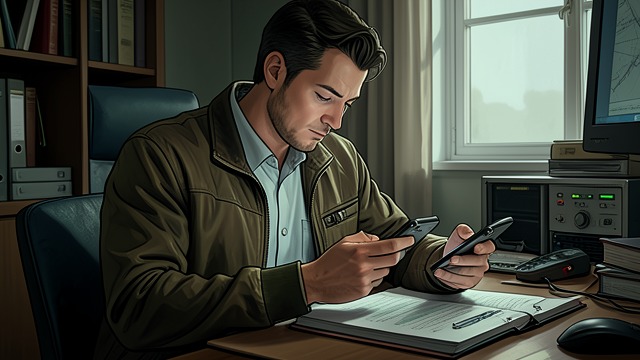
The First Guesses
Local Scale
Max initially frames the failure as a communications problem affecting the building or nearby area. He wants to keep the crisis small enough to understand.
No Confirmation
Neighbors offer theories but no evidence. The ordinary explanations preserve hope without explaining why so many devices and systems have failed at once.
The City Without Signals
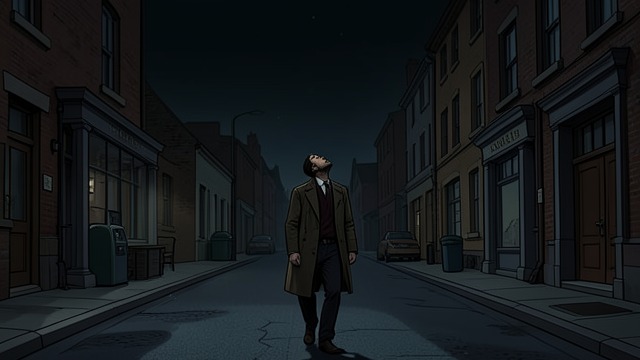
Darkness Beyond the Apartment
Reports from Outside
Jim Kripps and Tessa Berens describe dark streets and a city emptied of its usual traffic and lights. The disruption now seems larger than one apartment building.
The Circle Widens
Their account connects the household’s dead devices with a wider public failure. No one can yet say whether the crisis is regional, national, or global.
Martin Names the War
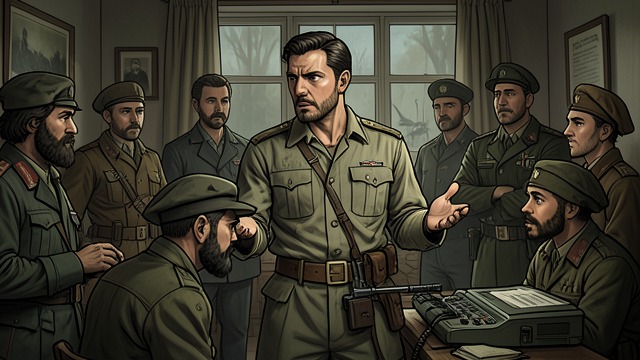
A Global Interpretation
A New Label
Martin Dekker says that people do not want to call the crisis World War III, but that this is what it is. His claim gives the chaos a scale and a historical frame.
A Tentative Diagnosis
The others cannot verify his account, and Martin’s certainty is mixed with speculation. Naming the event clarifies their fear without solving the mystery.
Weapons Change Form
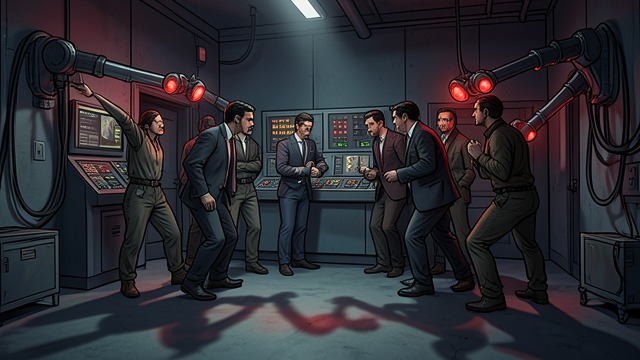
Beyond Nuclear Missiles
New Threats
The account of the war shifts toward cyberattacks, biological agents, collapsing grids, and autonomous systems. Conflict accumulates through invisible intrusions rather than a single visible battlefield.
The Unverifiable Present
Martin’s list sounds like news and prophecy at once. In the absence of working communications, the characters cannot separate reliable information from their own attempts to explain events.
A Civilization in Fragments
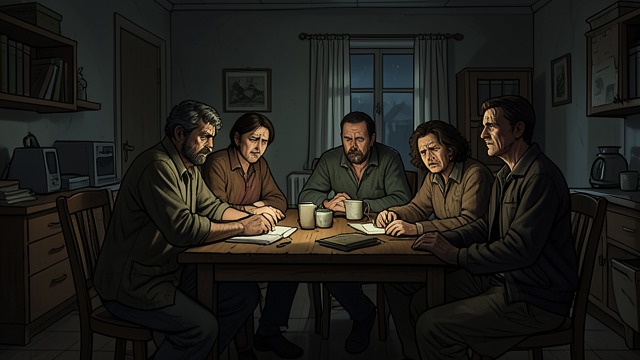
The Human Slivers
A Smaller Claim
Martin calls those present human slivers of a civilization. The phrase makes survival seem real but partial: people remain, while the systems that organized their world have become uncertain.
No Final Explanation
The group is still in the apartment, with no dependable account of events beyond it. The crisis remains open, but attention turns toward the people who have endured the night together.
the first evening of the blackout
after Jim Kripps and Tessa Berens arrive
after midnight
during Martin’s late-night monologue
near the end of the night
